Unlock Your Creativity with Journal Cards: The Ultimate Digital Tool for Sewing, Scrapbooking, and Art Projects
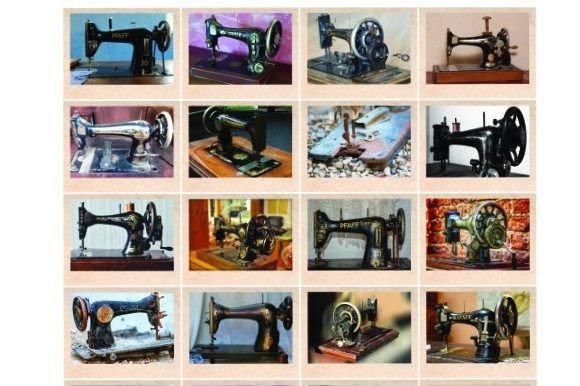
In the rapidly evolving world of digital crafting and DIY design, finding high-quality resources that bridge the gap between imagination and physical creation can be a challenge. Enter Journal Cards - Small - Sewing Machines. This specific digital asset is not merely a static image; it is a versatile tool designed to enhance your creative workflow across a multitude of mediums. Whether you are a seasoned scrapbooker, a passionate bookmaker, or someone looking to add unique touches to your daily planner, understanding how to utilize these 300 DPI files can transform your projects from ordinary to extraordinary.
This article explores the significance of digital journal cards, their practical applications in modern crafting, and why the "Sewing Machine" theme offers a unique aesthetic appeal. We will also address important technical considerations regarding print quality to ensure your final product matches your vision perfectly.
What Are Journal Cards and Why Do They Matter?
Journal cards are small, rectangular digital images intended to be printed out and incorporated into larger physical projects. Think of them as the building blocks of visual storytelling. Unlike full-page illustrations, these cards are bite-sized pieces of art that serve specific functional roles within a composition. They act as anchors for text, decorative accents, or standalone pieces of ephemera that add texture and history to a page.
The concept of using pre-designed digital assets has revolutionized the crafting industry. In the past, creating custom tags or embellishments required significant time spent cutting paper, hand-drawing details, or sourcing expensive physical kits. Today, a single JPEG file can provide endless possibilities. The Sewing Machines variation specifically taps into the nostalgic charm of vintage aesthetics, combining the mechanical beauty of old treadle machines with the warmth of handmade crafts.
For beginners, these cards offer an accessible entry point into complex layouts without requiring advanced artistic skills. For experienced creators, they provide a time-saving resource that maintains a consistent style throughout a collection. The versatility of these cards lies in their ability to adapt to various themes, making them a staple in any digital crafters' library.
The Power of High-Resolution Digital Files
One of the most critical aspects of this product is its resolution. The file provided is a Jpeg File in high resolution 300 dpi. But what does "300 dpi" actually mean for your project?
Dots Per Inch (DPI) refers to the density of ink dots on a printed page. A standard screen display typically operates at 72 dpi, which looks sharp on a monitor but appears pixelated and blurry when printed. By contrast, 300 dpi is the industry standard for high-quality printing. It ensures that every thread on the sewing machine illustration, every shadow, and every text element remains crisp and clear when transferred to paper.
- Clarity: High resolution prevents blurriness, ensuring fine details are preserved.
- Professional Finish: Whether you are printing on cardstock or photo paper, 300 dpi guarantees a professional-grade result.
- Scalability: While the file is optimized for small formats, the high resolution allows for slight resizing without losing image integrity.
When you download this file, you are acquiring a digital negative that can be used repeatedly. You can print one copy for a quick sketch, or fifty copies for a large-scale art project, all while maintaining the same level of quality.
Versatile Applications in Modern Crafting
The true value of the Journal Cards - Small - Sewing Machines lies in their adaptability. The description lists a wide array of uses, ranging from simple stickers to complex bookmaking elements. Let's explore how these cards fit into different creative domains.
Perfect for Journals and Planners
For those who love bullet journaling or keeping a daily diary, these cards serve as excellent headers or dividers. Imagine adding a small, printed sewing machine card to the top of a page dedicated to "Mending Clothes" or "Weekly Goals." It adds a thematic touch that plain text cannot achieve. Because they are small, they do not overwhelm the page, allowing your handwriting to shine through.
Enhancing Scrapbooking and Ephemera
Scrapbooking is all about capturing memories with a tactile feel. These cards function beautifully as Ephemera—items of paper that were once considered disposable but have now become collectible or decorative. You can glue them onto photos of family members who enjoyed sewing, or use them to decorate a "Craft Room" spread. Their vintage aesthetic pairs wonderfully with sepia-toned photographs and handwritten notes.
Stickers, Tags, and Embellishments
One of the most popular uses for these files is creating custom Stickers and Tags. After printing the high-resolution image, you can cut around the edges and apply a clear adhesive backing. These self-made stickers can label storage bins, decorate gift boxes, or serve as bookmarks. As Embellishments, they add a three-dimensional element to flat pages, creating depth and interest.
Bookmaking and Art Projects
For the serious Bookmaker, these cards can be used to create mini-albums or zines. By binding several cards together with ribbon or thread, you create a portable storybook. In broader Art Projects, they can be collaged over textured backgrounds, painted over, or used as stencils. The sewing machine motif, in particular, invites artists to play with textures like denim, burlap, and lace, creating a cohesive sensory experience.
Understanding Color Variations and Print Quality
While the potential of these digital cards is immense, it is crucial to manage expectations regarding color accuracy. When working with digital files, there is an inherent difference between what you see on a screen and what comes out of a printer. This is where the warning regarding colour printing quality becomes vital information for the user.
The disclaimer states: "BE AWARE COLOUR PRINTING QUALITY CAN VARY Due to differences in monitor and printer calibrations, colours and print quality may appear different in print than on the screen."
This is not a defect in the product but a fundamental characteristic of the printing process. Several factors influence the final output:
- Monitor Calibration: Every computer screen displays colors slightly differently. Some monitors are set to a cooler, bluer tone, while others are warmer. If your screen is not calibrated, the reds might look orange, or the blues might look purple.
- Printer Technology: Inkjet printers generally produce more vibrant, photographic results, whereas laser printers may produce sharper lines but slightly different color saturation. The type of ink (dye-based vs. pigment-based) also affects longevity and vibrancy.
- Paper Type: Glossy photo paper will make colors pop and appear deeper, while matte cardstock will absorb some ink, resulting in a softer, more muted look. Uncoated paper may cause the ink to spread slightly, softening the edges of the sewing machine illustration.
To mitigate these variations, it is recommended to perform a test print on standard paper before committing to expensive cardstock. Many modern printers also offer "Print Settings" that allow you to adjust color profiles. Understanding that the final print quality will depend on the type of printer and paper used empowers you to experiment and find the combination that best suits your artistic vision.
Building a Creative Workflow with Digital Assets
Incorporating digital journal cards into your routine is easier than ever. The process typically involves downloading the JPEG, opening it in a basic image viewer or editing software, and sending it to your printer. However, to get the most out of this resource, consider the following tips:
- Batch Printing: If you are planning a large project, print multiple copies at once to save time and ensure consistency.
- Layering: Don't just stick the card down flat. Layer it over patterned paper, washi tape, or fabric scraps to create a collage effect.
- Customization: Use digital tools to add your own text or dates to the card before printing. This personalizes the ephemera even further.
- Storage: Keep your unused prints organized in envelopes labeled by theme. A collection of sewing machine cards can be a treasure trove for future projects.
Conclusion: Elevate Your Craft Today
The Journal Cards - Small - Sewing Machines represent more than just a printable image; they are a gateway to enhanced creativity. By providing a high-resolution, versatile asset, this digital file supports a wide range of activities from simple journaling to intricate bookmaking. It bridges the gap between the digital age and the tactile joy of traditional crafts.
Whether you are decorating a file folder, adding a tag to a gift, or creating a stunning piece of mixed media art, these cards offer a reliable foundation for your work. Remember to embrace the nuances of color printing, experiment with different papers, and let your imagination guide you. With a little patience and the right materials, you can turn a simple JPEG file into a masterpiece that tells your unique story.
So, open your creative mind, fire up your printer, and start designing something beautiful today. The world of crafting is waiting for your personal touch.